The Role of Superstitions at Roulette Tables Around the World
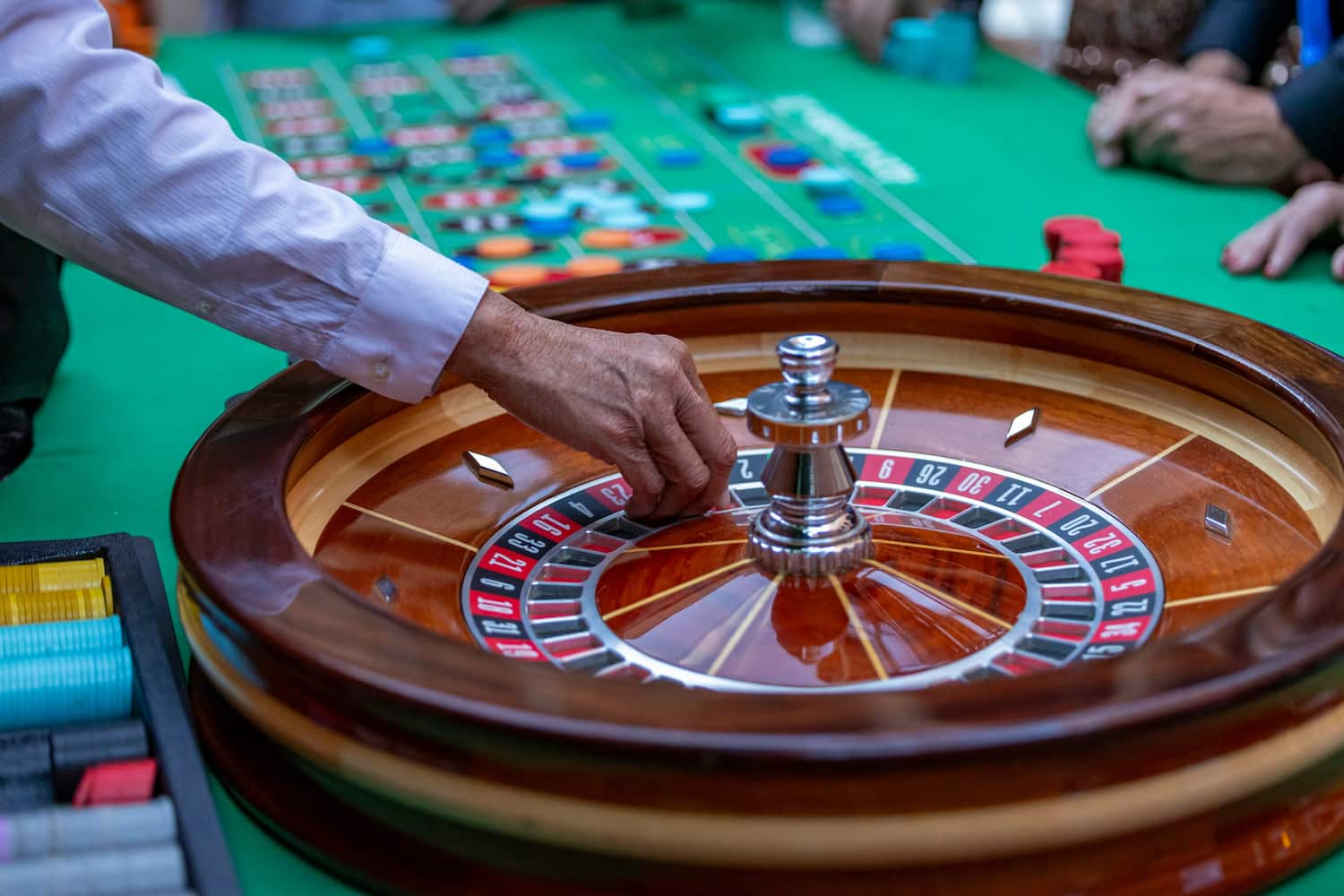
Although roulette has traditionally been a game of chance, many players find that it’s about more than just math. Although the game is now played online thanks to sites like HellSpin Casino, roulette customs and superstitions are still very much a part of gambling culture. Players from throughout the world rely on little customs they think will change their fate, such as lucky charms or murmured mantras.
The Allure of Superstition to All People
Roulette is fundamentally random. The ball’s landing spot cannot be predicted by any talent or plan. However, it is precisely this ambiguity that encourages superstition. When results feel out of control, people instinctively look for trends and significance. Even when the odds stay the same, a belief in ritual or luck gives one a sense of power. Superstitions are as much a part of roulette as the wheel itself because of this psychological comfort.
European Customs
Players frequently avoid specific numbers or hold onto favorites associated with birthdays or anniversaries in European casinos. Despite having the same odds as any other pocket, the number 17 is very famous in France and is sometimes regarded as lucky. Although it is discouraged by contemporary casino etiquette, some players insist on blowing on the ball to get luck before it spins. This is still recognized as part of roulette mythology.
Rituals in America
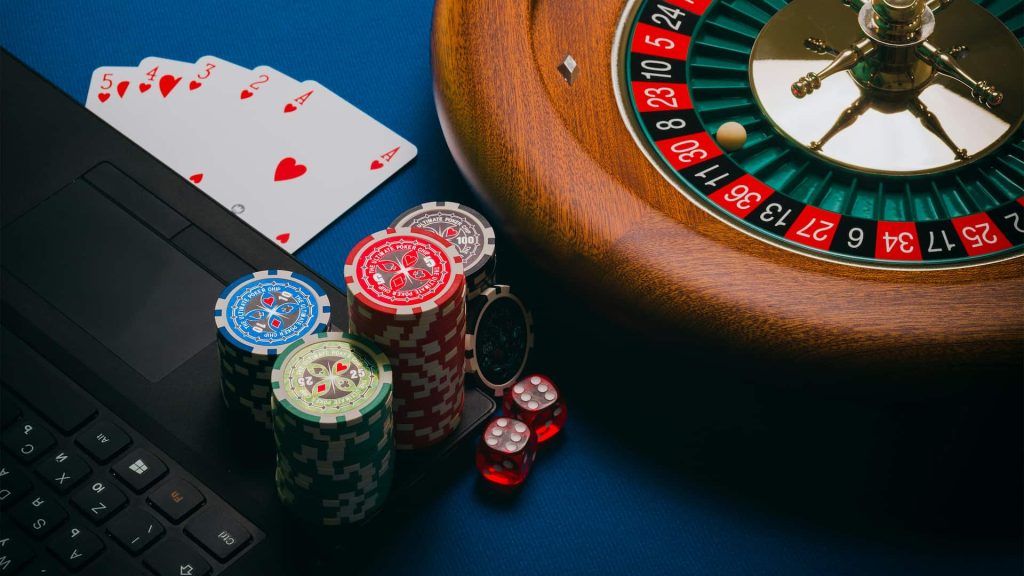
Roulette tables all around the United States come to life with customs that combine many cultural influences. Before making a wager, some players knock on the table, while others rub a rabbit’s foot or dress in red, a hue that has traditionally been connected to good fortune. Because they believe that a “hot streak” is linked to ritual consistency rather than probability, gamblers frequently repeat particular betting patterns, particularly in Las Vegas.
Asian Views
Numbers have strong symbolic meanings throughout Asia. Since the number 8 is associated with wealth and prosperity in Chinese culture, it is sometimes regarded as incredibly lucky at roulette tables. On the other hand, the number 4 is typically avoided because it sounds like the word for death in a number of Asian languages. Players can arrange their chips in specific patterns. They hope that symmetry or order will bring them good luck.
Superstitions on the Internet
Superstitions about roulette have persisted even in the digital age. Online gamers frequently create their own customs before pressing “spin.” While some only play during specific hours of the day, others always start with a minimal wager to “warm up the wheel.” Whether the wheel is virtual or real, people still want to feel like they have a hand in luck.
In summary, although roulette is widely seen as a game of chance, its allure frequently stems from the customs that surround it. Superstitions give players a feeling of control. They make each spin more than just a risk, whether in Macau, Paris, or online casinos. These customs give the game purpose, solace, and even a sense of community, even though they might not alter the chances. Ultimately, roulette is not just about numbers but also about faith and creativity.